

Premium economy or economy: what are you paying extra for?
A separate cabin and an economy seat with more legroom are different purchases. Compare what you will actually get on your flights.
Language
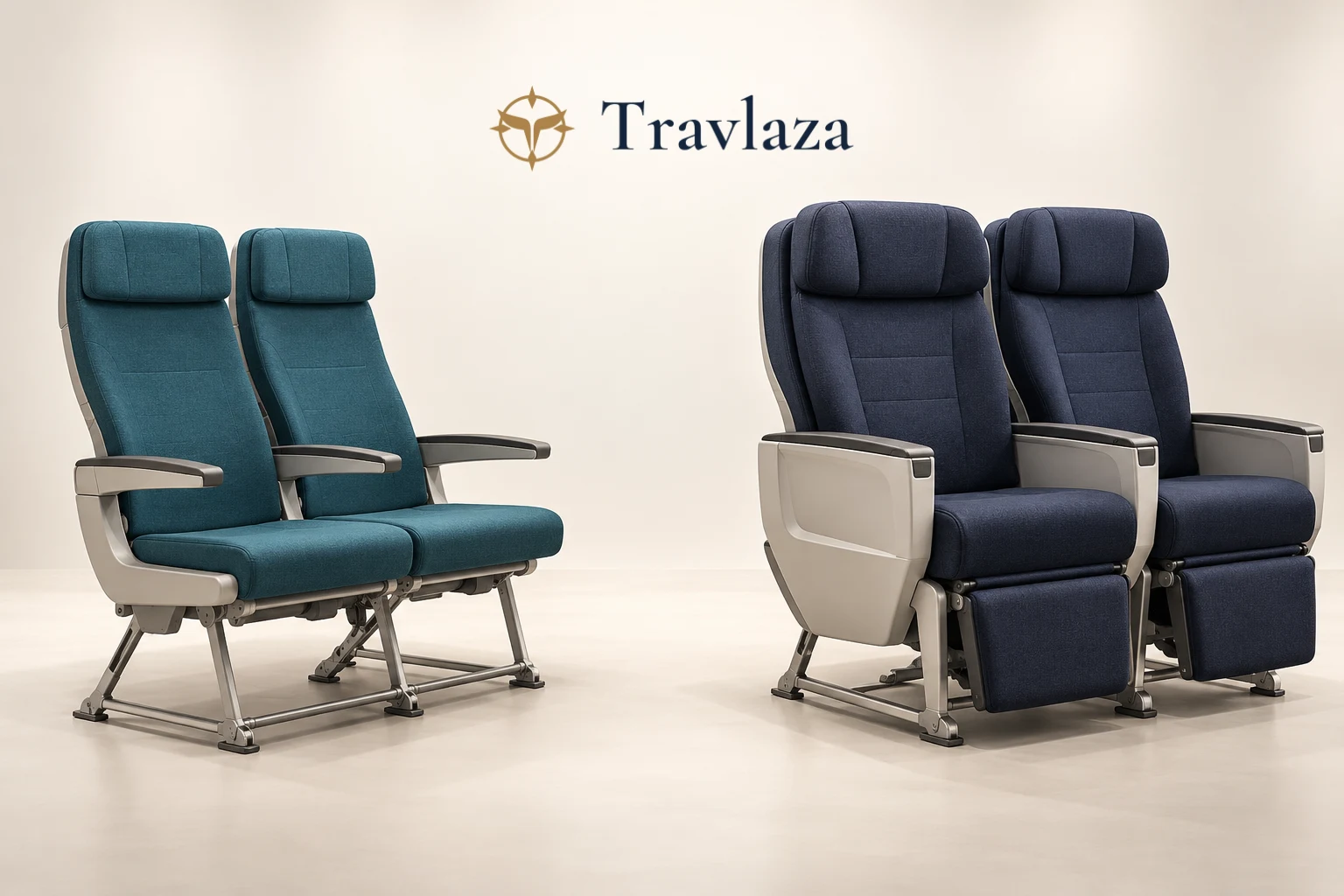
Premium economy can be worth paying for when the confirmed seat and cabin improvements matter to you. First check what the offer actually buys: a separate cabin or an economy seat with more legroom, and on which flights. Then compare the full cost of the two options, including the extras you would otherwise pay for.
Start with the seat, not the label
Look up the operating airline’s exact product description. British Airways, for example, describes World Traveller Plus as a separate, smaller cabin with wider seats, more legroom and greater recline than its economy product. Some cabin design details vary by aircraft. That is a description of this BA product, rather than a list of benefits every airline includes.
An extra-legroom seat sold within economy is a different purchase. Check the seat description and cabin shown in the offer; words such as plus or comfort do not settle the distinction. Focus on the differences you would use, such as sitting space on a long daytime flight or the seat arrangement on an overnight trip. More space does not guarantee sleep.
Check each flight in a connecting journey
Match the cabin to the airline operating each flight, which may differ from the airline selling the ticket. Use the aircraft and seat information shown for that flight, while allowing for operational changes. A photograph of another aircraft configuration is a poor basis for choosing.
For example, if only the long flight has a separate premium economy cabin and the short connection is in economy, the seat improvement applies to the long flight. Compare the whole journey’s price, but judge the cabin benefit on the flights where it is actually offered.
Put both offers on the same footing
- Keep the dates, airports, passengers and journey direction the same. Record the total price for each offer.
- Add the baggage and seat choices you would genuinely buy to either option. Check the allowance and any size or weight conditions in that exact fare.
- Read change and refund conditions separately. A more comfortable seat does not establish that changes are free or that the ticket is refundable.
- Identify the seller and who handles the booking afterwards. Resolve any important missing cabin or fare detail before treating it as a benefit.
Does premium economy include free seat selection?
Check the airline’s conditions for the fare. BA, for example, says free or paid selection depends on factors including fare and cabin, with status benefits also relevant. Buying a cabin and choosing a particular seat are separate questions. If sitting together matters, check availability and any charge for the seats you need; paid seating can still change for operational, safety or security reasons.
If two similar offers come from different sellers, our guide to booking with an airline or an agency explains that separate choice. Keep the cabin comparison focused on what each offer includes and the conditions attached to it.
Decide from the extra cost you will actually pay
Subtract the comparable economy total from the comparable premium economy total. List the confirmed improvements on the flights that matter to you. An included bag adds little value if you would not use it; a roomier seat may matter more on your longest flight. There is no useful universal price threshold for that personal choice.
What if the offer only says “premium” without explaining the seat?
Ask the airline or seller to identify the cabin and seat product on each flight. Leave the claimed improvement unconfirmed until you have that answer. If the information remains unclear, you cannot make a reliable comparison from the label alone.
More travel guides
Flying with skis: count the boot bag before booking
A practical way to measure, weigh and price skis or a snowboard together with a boot bag before buying your flights.
Flying with golf clubs: plan your checked bag before booking
Choose a suitable case, weigh the packed golf bag and compare both directions of the journey before paying for a flight.
Flying with fishing rods: carry-on or checked baggage?
Measure the packed rod case, choose cabin or checked carriage, and compare the full baggage cost. Delta and American show how the decision can change.