

Flying with a wedding dress? Check cabin baggage before you book
Measure the packed garment bag, check the operating airline on every segment, and decide before booking what you would do if the dress had to go in the hold.
Language
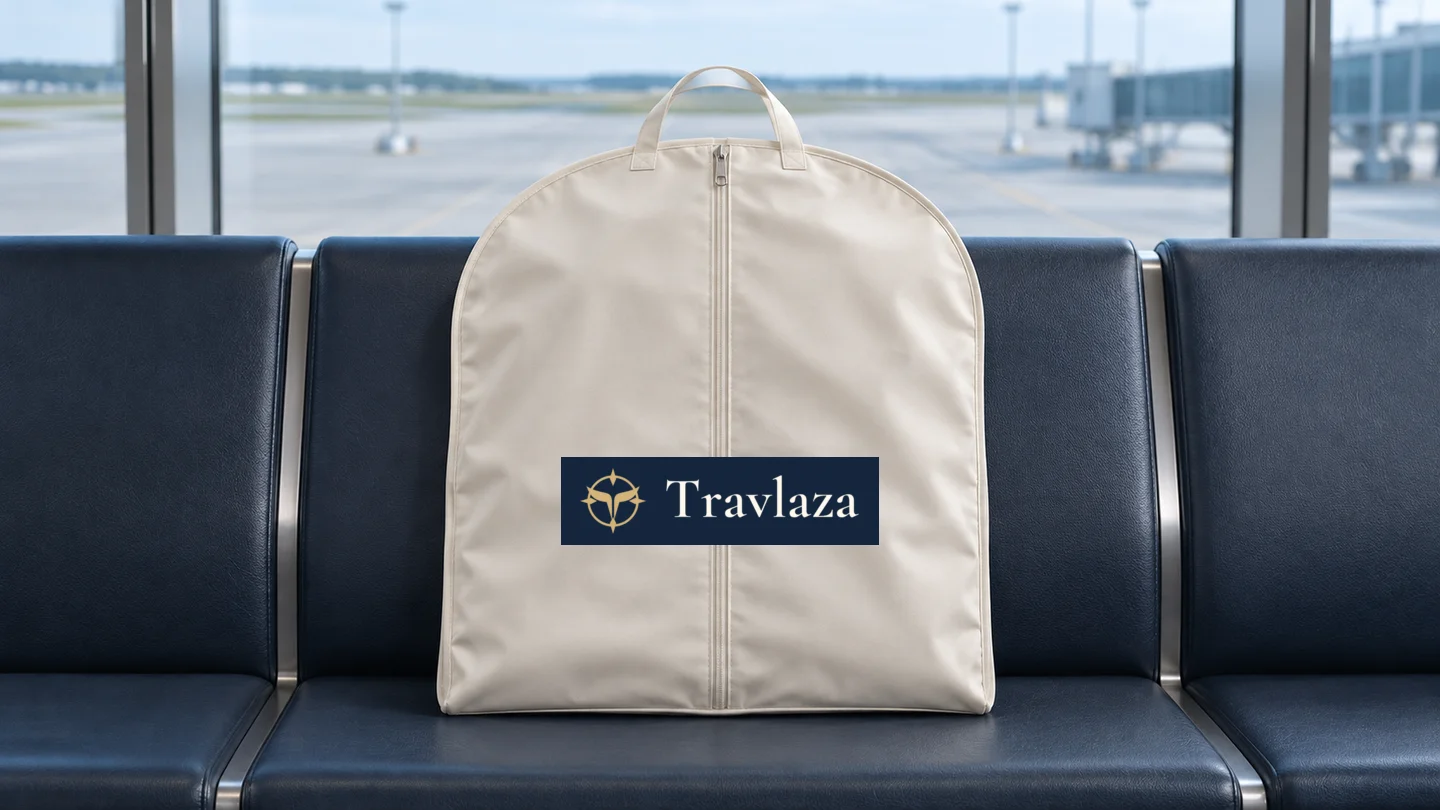
You can plan to fly with a wedding dress in the cabin if the packed garment bag fits the baggage rules for every flight and there is suitable space to stow it. Start with the bag you will actually take, then check how it counts on the ticket you are considering. If the dress uses your carry-on allowance, you may need to move the rest of your belongings to an under-seat bag or pay to check a suitcase. If handing over the dress would make the trip unworkable, compare flights with that condition in mind before you buy.
Measure the garment bag as you will bring it to the airport
Put the dress, hanger and any protective wrapping in the bag. Close it and fold it only as far as you would be comfortable folding it for the trip. Measure the outside at the longest, widest and thickest points, including a protruding handle or hanger hook. A bag that feels flat on a shop counter can be several inches thicker once you pack a layered skirt. Use the packed dimensions when checking the airline’s rules. If you have yet to collect the dress, ask the shop whether you can test the carry bag with the actual garment before buying a restrictive ticket.
Write down the three individual measurements and their sum. A limit in linear inches adds length, width and height. A rule with three separate maximums requires the bag to meet each dimension. A soft-sided bag measuring 28 by 15 by 5 inches totals 48 linear inches. That is under American’s 51-inch soft-sided garment-bag limit, but its 28-inch side exceeds Southwest’s 24-inch carry-on length. The example assumes the packed shape stays the same. Recheck the figures if you use a different case or repack the gown.
Compare the dress allowance and the operating carrier
American Airlines publishes a maximum of 51 linear inches for a soft-sided garment bag carried as its one carry-on item. A separate personal item can go under the seat if it meets the airline’s rules. Southwest lists a garment bag as an example of a standard carry-on, with a maximum of 24 by 16 by 10 inches including handles and other attachments. Its smaller personal item is separate. Delta publishes ordinary carry-on limits of 22 by 14 by 9 inches and a combined maximum of 45 linear inches. Delta Connection flights on aircraft with 50 seats or fewer allow only personal items on board, so a larger bag may have to be checked at the gate. Check current rules and the aircraft or service conditions for the itinerary you plan to buy.
Open the details for each flight and look for the operating airline. The company name at the top of the offer may be the airline selling the ticket. If a partner operates a leg, ask which carrier’s cabin baggage limits apply to that segment. Save the flight numbers and your packed measurements so the airline can answer a precise question. For an outbound trip with a ceremony date and a return on a different carrier, review both directions. An allowance that works for the way out may leave you with a different packing decision on the way home.
Can I carry a wedding dress and a rolling suitcase?
If the dress’s garment bag uses the one carry-on slot, the rolling suitcase needs another permitted place in your baggage plan. Check whether the second bag meets the personal-item dimensions and can fit under the seat. If it cannot, compare the cost of checking it with a different fare or repacking essentials into a smaller bag. Confirm the allowance for each traveler and segment.
Compare the itinerary and the full trip cost
Imagine choosing between a flight from Chicago to the wedding city with one connection and a nonstop from the same airport. The connecting flight looks cheaper, but its last leg is on a smaller aircraft and the operator confirms your garment bag would need to be checked. The nonstop offers a published cabin allowance that your bag meets. Add the cost of checking any separate suitcase, and compare the time each itinerary leaves between landing and your first fitting or ceremony obligation. That shows what you are paying for when you choose the nonstop. A nonstop still depends on the crew being able to stow the bag safely.
If you are traveling with someone, it may be possible to distribute belongings according to each person’s fare and baggage allowance. Check that plan against the operating airline before counting on it. Keep the shoes, accessories or other essentials you choose to keep with you in a bag that meets the personal-item rules. If a schedule change adds a segment, changes the operating carrier or puts you on an aircraft with tighter cabin limits, check your original arrangement again before departure.
Decide what to do if the gate agent needs to check it
Meeting the dimensions answers a packing question. Space available for the bag is decided on the day. At the gate, explain that the bag holds a wedding dress and ask where it may be stowed under the airline’s rules. If staff need to check it, ask where the bag will be returned and whether you must collect and hand it back over during the connection. Read the destination printed on the tag and keep the receipt with you. A photo of the outside of the bag can help if you later need to describe it to baggage staff.
What can I do if the dress cannot go in the hold?
Before booking, check another flight whose operating airline accepts the packed bag in its published cabin allowance. If suitable cabin stowage remains too uncertain, compare bringing the dress in a different protective bag, arriving earlier, or arranging insured delivery with a confirmed recipient and time to deal with a delay. If keeping the dress with you is essential, decide up front whether you would take another flight or change arrangements if suitable space is unavailable.
Before you pay, note the packed dimensions, the carry-on slot on each flight, and where you will put the rest of your luggage. Give the itinerary a final check against your arrival deadline and the backup you are willing to use. Travlaza can help compare flight options. The airline or booking agency handles the ticket and the operating airline can confirm what applies to your itinerary.
More travel guides
Flying with skis: count the boot bag before booking
A practical way to measure, weigh and price skis or a snowboard together with a boot bag before buying your flights.
Flying with golf clubs: plan your checked bag before booking
Choose a suitable case, weigh the packed golf bag and compare both directions of the journey before paying for a flight.
Flying with fishing rods: carry-on or checked baggage?
Measure the packed rod case, choose cabin or checked carriage, and compare the full baggage cost. Delta and American show how the decision can change.