

Medicines in hand luggage: security checks and documents
Work out which documents and packing arrangements your medicines need, from UK airport screening to airline carriage and destination entry.
Language
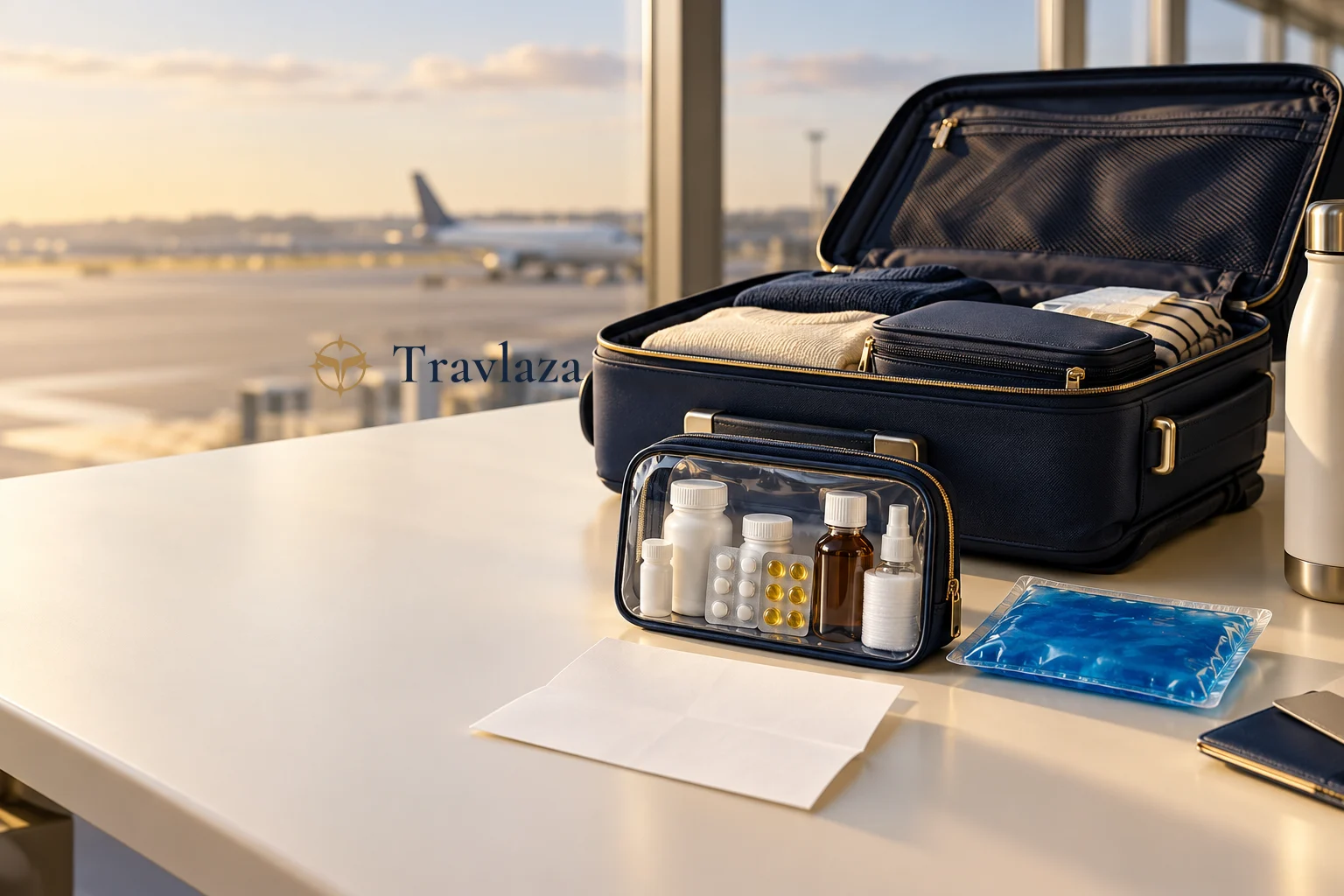
You can carry essential medicine in hand luggage, but the documents and packing arrangements depend on your route. For UK airport security, proof that medicine is prescribed to you is required when it is liquid and its container is larger than 100ml. Airline carriage requirements and the rules for bringing medicine into another country are separate checks. Start with your medicine, its container size and any cooling supplies, then work through each part of your journey.
Start with what you need to carry
Make a list of your medicines and supplies before packing. Record the generic name as well as the brand, the quantity, whether each item is liquid, and the size printed on its container. Add syringes, inhalers, cooling packs and essential equipment. This gives the airport, airline or destination authority enough detail to answer a specific question rather than a general enquiry about “medication”.
Keep medicines in their original, labelled containers and carry copies of your prescriptions, including generic names. Labels should identify you and the medicine clearly. A loose tablet organiser alone gives someone inspecting your bag less information than labelled packaging. Keep the supporting documents with the medicines where you can reach them during the journey, rather than inside checked luggage.
Plan enough supply for the trip and possible delays with your prescribing clinician, within the quantities permitted on your route. An extra supply for disruption is useful only if you can carry it lawfully into the countries concerned. Ask about storage at the same time, especially if a longer connection or overnight delay would affect your arrangements. If you are still choosing a route, compare flights on Travlaza and note each connection so you can check the airports and countries involved.
UK security: when you need prescription proof
The UK government allows essential liquid medicines over 100ml in hand luggage, as well as medical equipment essential for the journey. If your medicine is liquid and the container is larger than 100ml, carry proof that it is prescribed to you, such as a doctor’s letter or a copy of your prescription. The container size matters to this condition; a partly filled larger bottle still falls within it.
For this UK security rule, you do not need to show prescription proof for tablets or for liquid medicine in a container of 100ml or less. That does not settle what your airline or a border authority may ask for. Medicine containing a controlled drug has separate rules, so identify it early when arranging your paperwork.
Keep liquid medicine accessible for inspection: airport staff may need to open its container to screen it. Essential medical equipment is screened separately. UK guidance also lists hypodermic syringes and inhalers as permitted in hand luggage. Permission to carry an item through security does not by itself arrange its use on board.
Can I bring cooling gel packs or ice packs through UK security?
UK guidance lists cooling gel packs as allowed in hand luggage. For ice packs, it tells you to contact the airport. Describe the pack you actually intend to use, rather than treating every cooling product as interchangeable. For a journey starting elsewhere, obtain that airport’s applicable guidance before choosing your cooling setup.
British Airways: documents, packing and cooling
British Airways asks you to put medication and supplies needed for the flight in your smaller item of hand baggage. It recommends original packaging where possible and a prescription or supporting doctor’s letter confirming the medicine is prescribed to you. Its liquid-medicine guidance allows the quantity needed for the trip, even above the usual liquid limit, provided you have a supporting prescription or doctor’s note. Have the medicine ready for security inspection; BA says it need not fit in the transparent liquids bag.
BA’s guidance for tablets and capsules in hand baggage specifies a doctor’s note or prescription, as does its guidance for epipens and hypodermic needles. This differs from the UK security rule, which does not require prescription proof for tablets. Carry the documents that apply to your medicine and operating airline, even when the departure airport does not ask for them.
Will British Airways refrigerate my medicine during the flight?
No. BA says it cannot keep medication cool. Speak to your pharmacist about a suitable storage solution for the whole journey, including time at airports and possible delays. Confirm the screening arrangements for the cooling supplies you choose. Avoid building your plan around access to an aircraft refrigerator.
If you need to use medical equipment on board, contact the operating airline about that particular device and its batteries before travel. Carrying equipment and using it during a flight are different arrangements. Where a BA booking includes a flight operated by a partner airline, BA directs passengers to that operator because its processes may differ.
Check medicine rules for your destination and connections
A security exemption for liquid medicine does not give permission to import it. CDC guidance recommends checking with the destination’s embassy and the embassies of countries where you have layovers to establish whether your medicines are permitted. Give the generic name, quantity and itinerary when asking. Familiar medicines, including some sold without prescription at home, may be restricted elsewhere.
Ask the relevant authority what paperwork, permission and quantity limits apply to your medicine and your circumstances. Establish whether your connection creates additional requirements, particularly if you will leave the transit area. There is no worldwide 30-day allowance: a quantity permitted by one country cannot be carried forward as a rule for another. If a restriction affects your supply, discuss the available options with your prescribing clinician before departure.
Work through a connection before packing
Imagine a traveller leaving a UK airport with a 150ml container of prescribed essential liquid medicine, connecting at another airport and continuing abroad. For the UK security check, they carry prescription proof because both conditions apply: liquid medicine and a container over 100ml. If their first flight is operated by BA, they also prepare its supporting documentation. If the medicine needs to stay cool, they arrange suitable storage because BA cannot refrigerate it.
The next step is to find out whether the connection involves another security check and what rules apply there. The UK exemption does not establish the answer. They separately confirm medicine permissions for the transit country and destination, including permitted quantities. If their route changes, they repeat these checks for any new airports, operators and countries before relying on the revised itinerary.
A final packing check
- Put labelled medicines, prescription copies and any required letters or permissions together in accessible hand luggage.
- Keep liquid medicines and cooling supplies easy to present for inspection; allow access to equipment for separate screening.
- Save the answers received from airports, operators and destination authorities with the itinerary they cover.
- Confirm that the planned supply and storage arrangements cover travel time and plausible delays, within the relevant import limits.
More travel guides
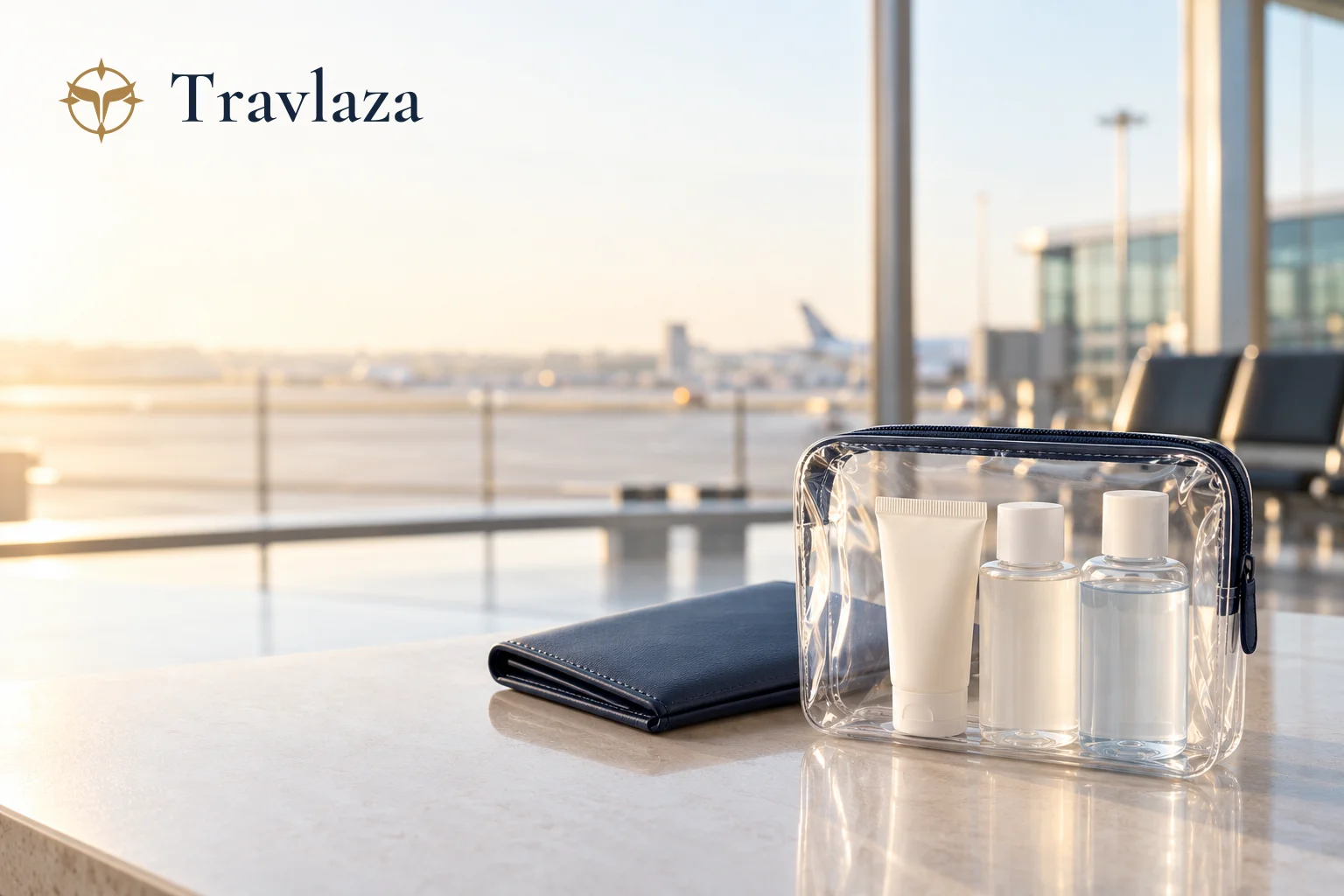
UK airport liquid rules: how to pack for every security check
A larger bottle allowed at departure may face a different rule at the next check. Plan departure, transit and return liquids together.
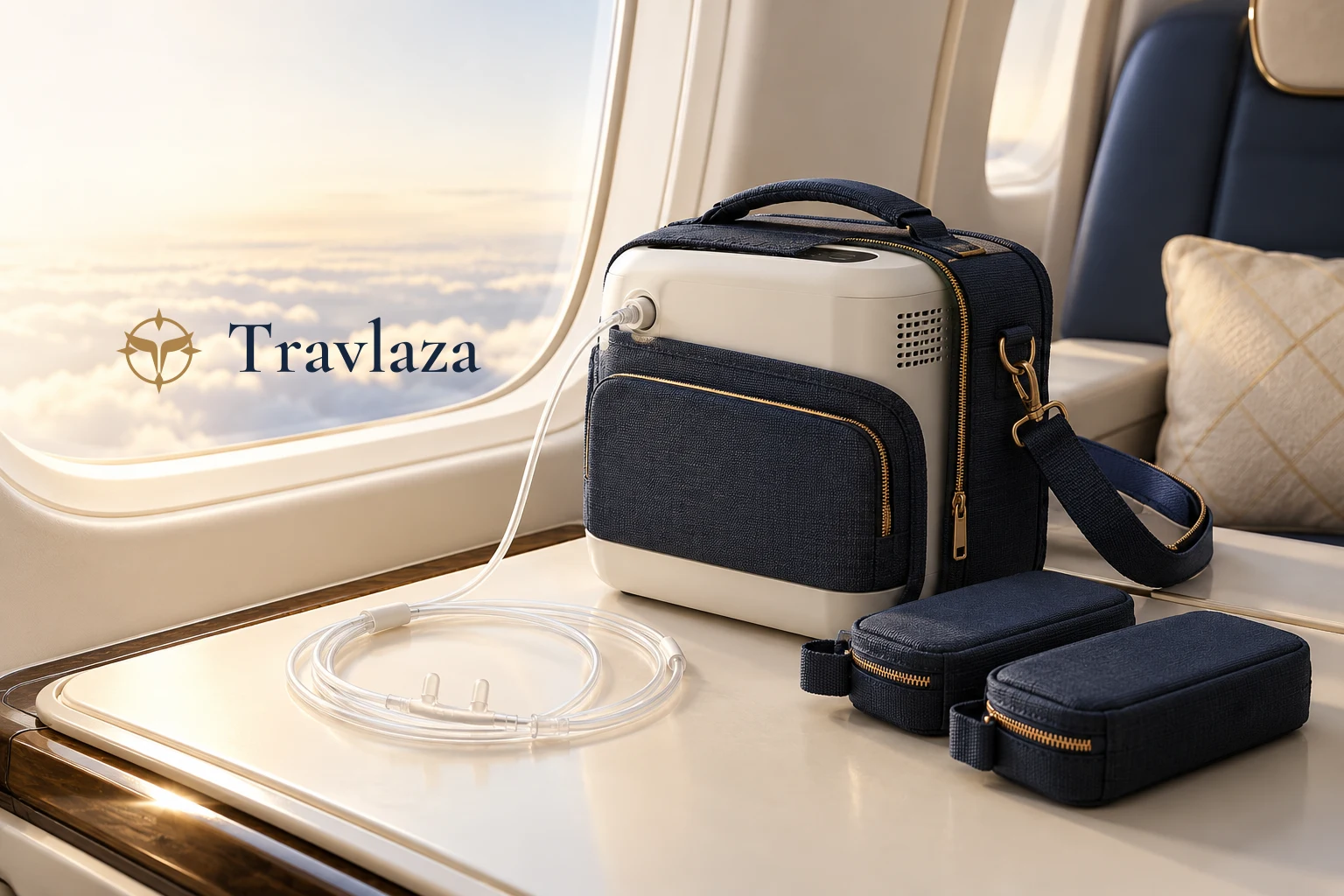
Flying with a portable oxygen concentrator: arrange approval before booking
Confirm your exact device, intended onboard use and battery plan with every operating airline before committing to the itinerary.
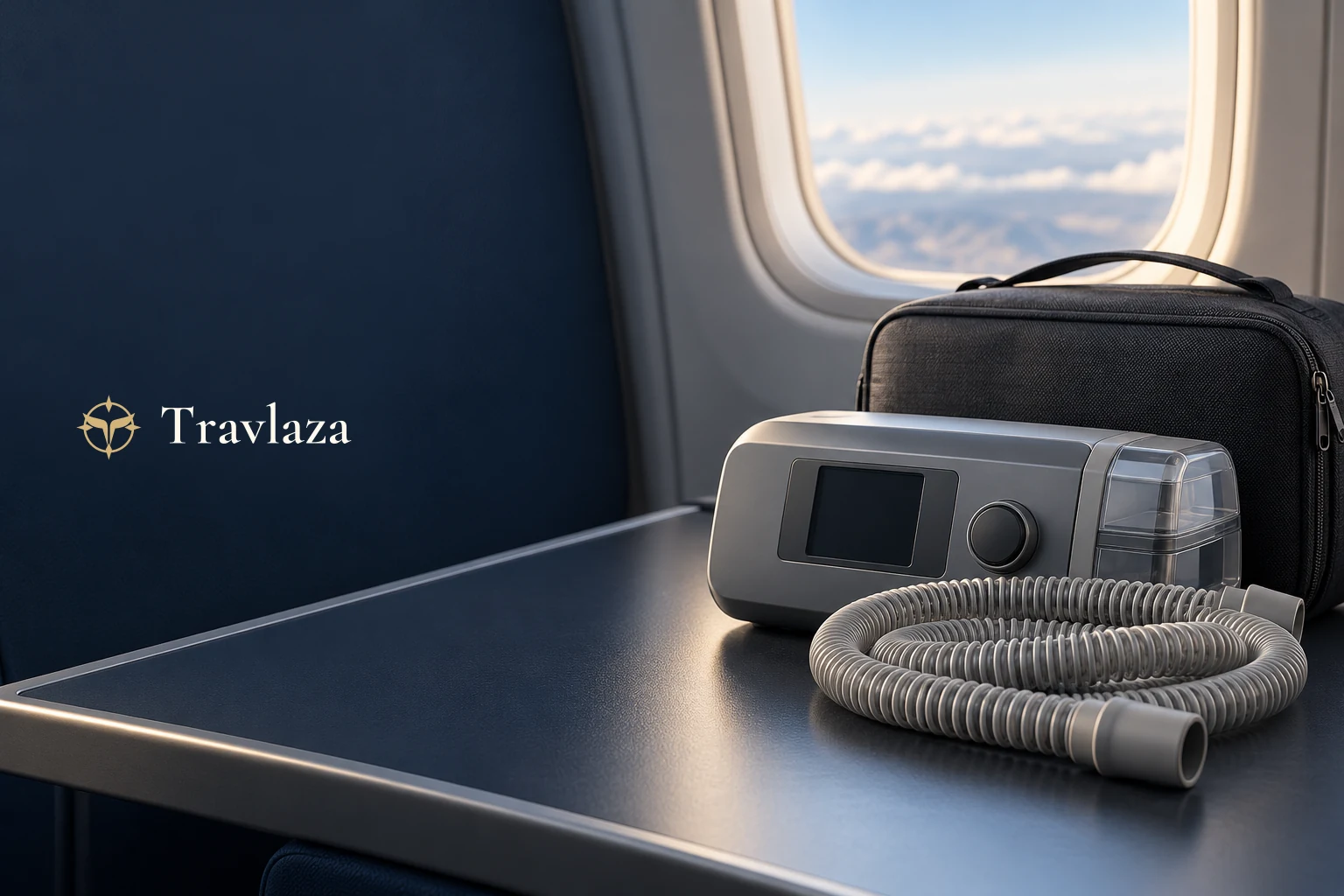
Flying with a CPAP: taking it aboard and using it
Taking your CPAP on a flight and running it during the journey are different questions. Resolve both before choosing your itinerary.